Getting Started: What You'll Need
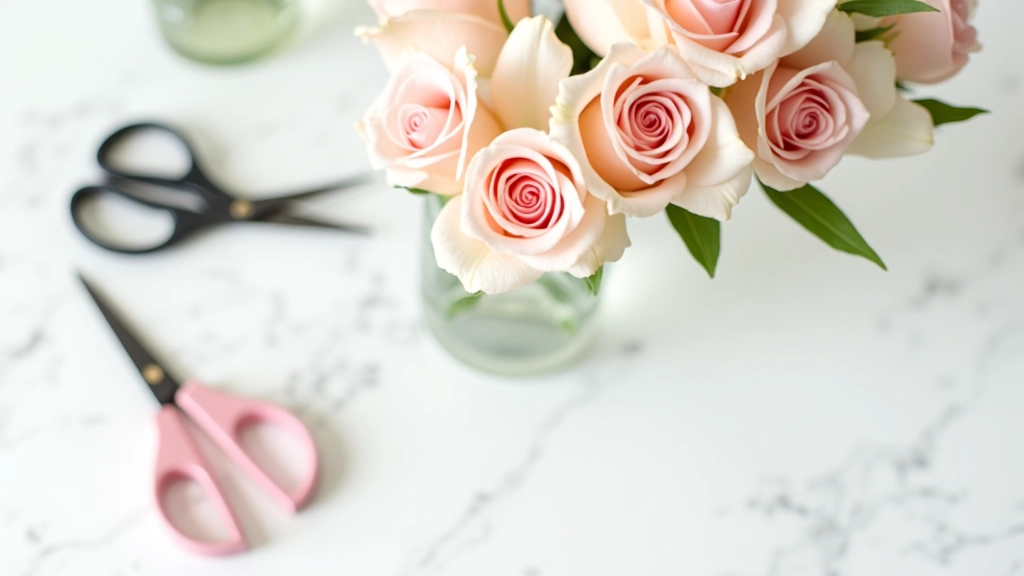
Creating a beautiful flower arrangement doesn't require fancy equipment. In fact, you're probably working with things already at home. A clean vase, fresh water, and sharp scissors — that's genuinely all you need to start. The water should be room temperature, and you'll want to change it every two to three days to keep those blooms happy.
Floral tape is nice to have but not essential. A rubber band works just fine if you're arranging in a clear vase where you want to hide the stems anyway. Some people swear by flower food packets, but honestly, a tiny pinch of sugar in the water does the job too. It's really about giving those stems what they need — clean water and oxygen.
Prep Your Flowers Properly
The first rule of flower arranging: strip those lower leaves. Any foliage sitting below the waterline will rot, and that's what kills arrangements fast. Go up about 2-3 inches from the bottom and remove all the leaves. It's a quick job but makes a huge difference in how long your arrangement lasts.
Cut the stems at a 45-degree angle under running water. This gives the flower more surface area to absorb water, and doing it under the tap means air bubbles don't get trapped in the stem. It sounds picky, but flowers really do drink better with an angled cut. Fresh cuts matter — if your flowers have been sitting around, trim them again when you get them home. Even a quarter inch makes a difference.
Information Note: These arranging techniques are general guidance based on common florist practices. Individual flower varieties may have different care requirements. For specific flowers you've received, check any care instructions that came with them, and when in doubt, research your specific flower type to ensure the best results.
Building Your Arrangement
Start with greenery as your base. This creates structure and hides the stems from view. Arrange your greenery in the vase first — eucalyptus, fern, or even branches work beautifully. They're your scaffolding. This is where most people rush through, but spending an extra minute getting greenery positioned right makes everything that follows easier.
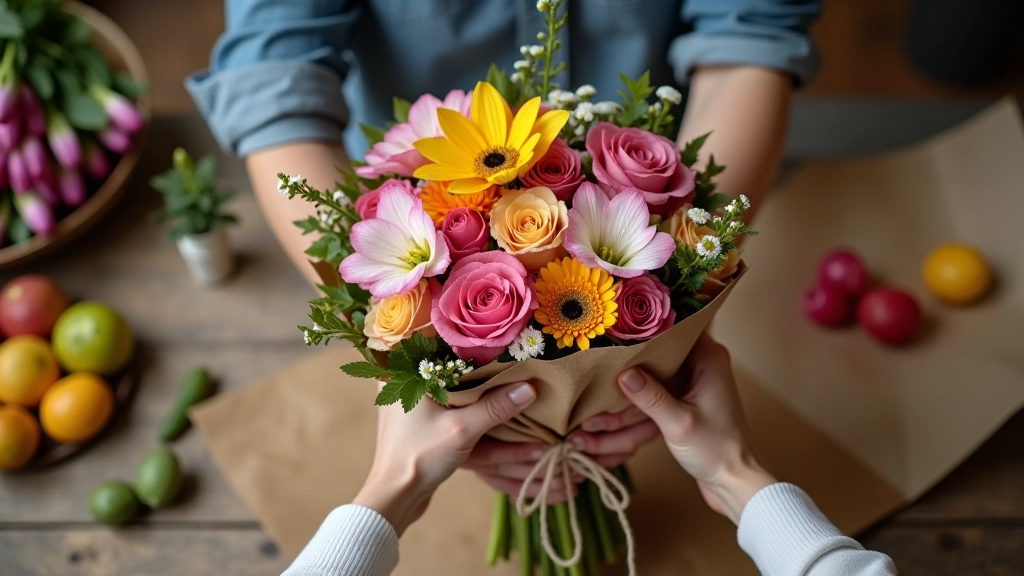
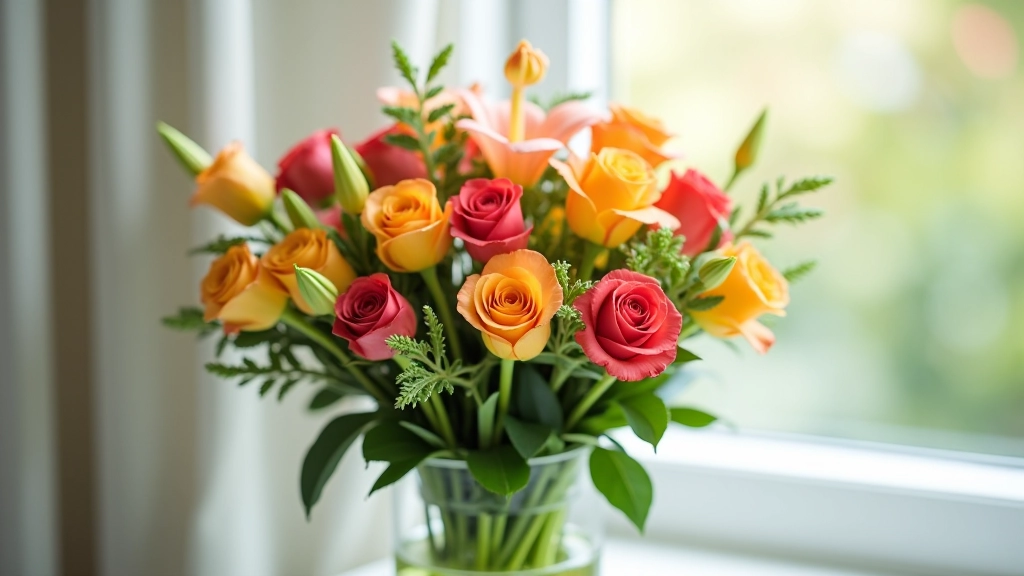
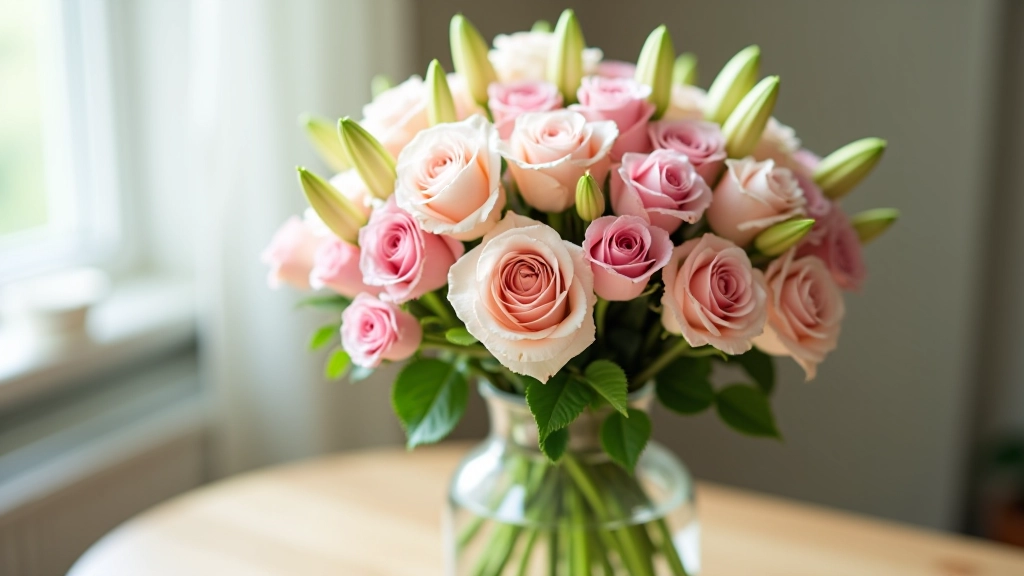
Now add your larger focal flowers. These are your roses, peonies, or whatever the statement blooms are. Place them at different heights — not all the same level. Taller in the center or back, shorter on the sides. This creates dimension. You're aiming for a natural look, like the flowers just happened to land that way. Step back and look from different angles. Does it feel balanced?
Fill in gaps with secondary flowers and filler blooms. Baby's breath, waxflower, or even greenery does this job. These smaller pieces create visual interest and make the arrangement feel full without being crowded. You want to see a bit of water or vase still — it shouldn't look like a solid block of flowers.
Keep Them Fresh All Week
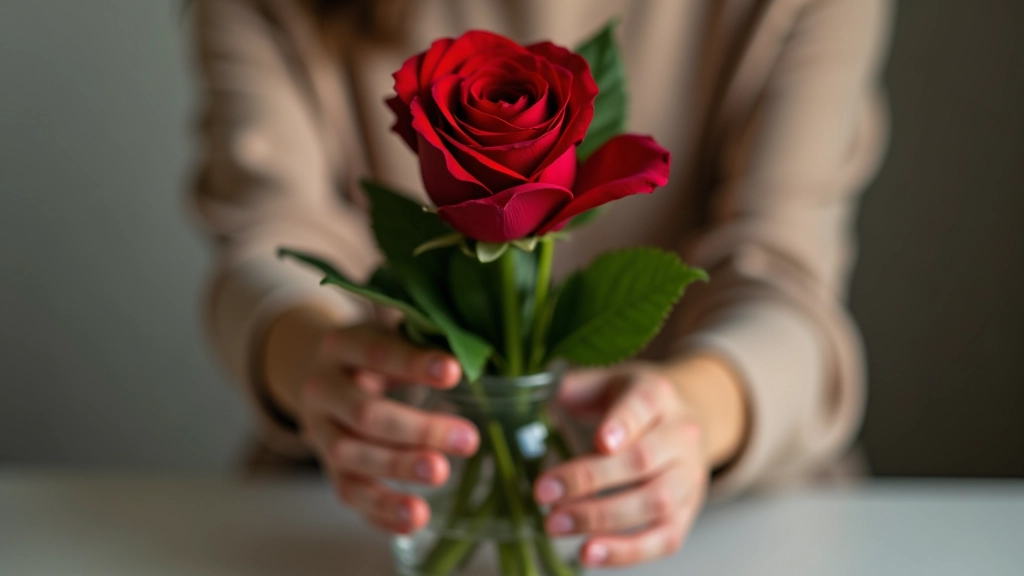
Water is everything. Change it completely every two or three days. When you do, give the vase a rinse — bacteria builds up on the inside and shortens the flower's life. Trim about a quarter inch off the stems each time you change the water. This might sound excessive, but it genuinely extends how long your arrangement lasts.
Keep your arrangement away from direct sunlight and heat sources. A windowsill sounds nice, but it's actually one of the worst spots — heat speeds up wilting. Cool rooms are your friend. Also avoid fruit bowls. Ripening fruit releases ethylene gas, which makes flowers fade faster. It's a weird fact, but it's real.
Most arrangements last 7-10 days with good care. Some flowers naturally last longer — roses and carnations are tough. Others like tulips or sunflowers fade faster. As blooms start to look tired, remove them. This keeps the whole arrangement looking fresh and gives space to the flowers still going strong. By the second week, you'll probably have 3-4 flowers that still look decent — that's not failure, that's actually pretty good.
The Real Secret
Honestly? There's no magic to flower arranging. It's just clean water, fresh cuts, and a bit of attention. The flowers do most of the work themselves. You're just giving them what they need to look their best. Start with what you've got at home, and after a couple of arrangements, you'll develop an instinct for what looks balanced. Every arrangement teaches you something for the next one.
Don't stress about it looking "florist-level perfect." The slightly imperfect, natural-looking arrangement is usually the most beautiful one anyway. Your friends will be impressed. You'll be surprised how simple this actually is once you get started.